Health and Safety Policy for London Man With A Van
 At London Man With A Van, health and safety is a core part of every move we carry out. Our aim is to protect our team, our customers, and the items entrusted to us by working in a careful, organised, and responsible way. This policy sets out the standards we expect on every job, whether it involves a single item, a full household move, or a small business relocation. We believe that safe working practices support reliable service, reduce avoidable damage, and create a better experience for everyone involved.
Our Commitment
We are committed to maintaining a safe working environment by identifying risks before work begins and taking sensible steps to reduce them. Every member of the team is expected to follow safe handling procedures, use appropriate equipment, and remain alert to changing conditions during a move. Careful planning is a key part of this approach, because many incidents can be prevented when tasks are assessed in advance and carried out with attention to detail.
 This policy applies to all activities associated with our moving service, including loading, unloading, lifting, carrying, securing items in vehicles, and working in customer properties. It also applies to temporary storage handling, if relevant, and to any subcontracted support working under our supervision. We expect everyone involved to act with common sense, respect, and professionalism at all times.
Risk Assessment and Safe Working
Before starting a job, we aim to assess the environment and identify any hazards that may affect safety. These may include narrow access routes, uneven surfaces, stairs, low lighting, sharp edges, or heavy and awkward items. Where a risk is identified, we take appropriate action, which may include changing the lift route, using additional equipment, or adjusting the number of staff assigned to the task. Our approach is practical and preventative, not reactive.
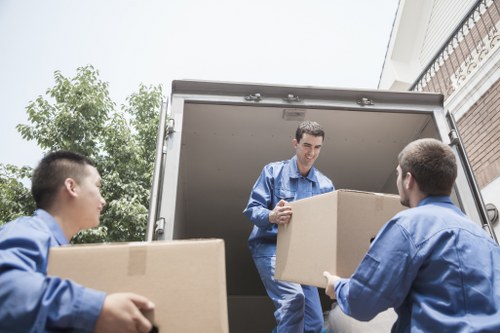
Manual handling is one of the most important aspects of moving work. Team members are trained to lift correctly, avoid twisting, and keep loads within safe limits. We encourage the use of trolleys, straps, blankets, gloves, and other suitable equipment where needed. Heavy lifting should never be done in a rushed or unsafe manner, and anyone who feels unable to carry out a task safely is expected to report it immediately.
 Vehicles are checked to help ensure they are fit for use and loaded in a secure manner. Items are arranged to minimise movement during transit, with attention given to weight distribution and fragile goods. We also expect drivers and loading staff to keep walkways clear and to avoid creating trip hazards. Safety inside and around the vehicle is treated as part of the moving process, not as a separate concern.
Responsibilities of Staff and Customers
All staff have a responsibility to work safely, follow instructions, and report hazards, incidents, or near misses. Managers and supervisors are responsible for making sure safe systems of work are understood and followed. Training is provided to help maintain consistent standards across the business, and it is reviewed when working practices change. We believe that a strong safety culture depends on accountability, communication, and steady improvement.
Customers also play an important role in supporting a safe move. We ask that access routes are kept clear where possible, pets are secured, and any known hazards are mentioned before the move begins. If an item is unusually heavy, fragile, or difficult to handle, it should be identified in advance so the correct precautions can be taken. Clear communication helps reduce risk and supports an efficient service.
Personal protective equipment is used where appropriate, depending on the task and conditions. This may include gloves, safety footwear, or high-visibility clothing when needed. The choice of equipment is based on the nature of the work rather than a one-size-fits-all approach. We aim to make sure that protective measures are effective, comfortable, and suitable for the job being performed.
Accidents, Incidents, and Emergency Action
We take all accidents, injuries, and incidents seriously. If something goes wrong, the first priority is to make the area safe and provide assistance where needed. The event is then reviewed so that the cause can be understood and future risk reduced. Reporting is encouraged because small issues can reveal patterns that help improve overall safety performance.
In an emergency, staff are expected to remain calm, follow instructions, and take reasonable action to protect people and property. This may involve stopping work, moving away from the hazard, or seeking urgent help if required. Emergency awareness is part of our wider safety approach, and it helps us respond responsibly when unexpected situations arise.
 We also aim to protect the wellbeing of our team through sensible work practices. This includes managing fatigue, allowing adequate time for loading and unloading, and avoiding unnecessary pressure to work unsafely. Safe working pace matters because rushed decisions often lead to avoidable mistakes. By promoting a balanced approach, we support both staff welfare and service quality.
Review and Continuous Improvement
 This health and safety policy is reviewed regularly to make sure it remains effective, relevant, and aligned with the way we work. Updates may be made after an incident, a change in equipment, new working methods, or feedback from internal checks. The goal is not only compliance, but also continuous improvement in how we protect people, property, and vehicles.
At London Man With A Van, we view health and safety as a shared responsibility that supports dependable removals and a professional service. By keeping risk awareness high, using suitable equipment, and maintaining clear communication, we can carry out moves in a way that is careful, efficient, and respectful. Our commitment is simple: safe practices first, every time.