Camden Removals, Narrow Streets and Parking Permits in London: A Practical Guide for a Smoother Move
Moving in Camden can feel straightforward on paper and then suddenly get complicated the moment a van meets a narrow street, a tight corner, or a no-stopping sign you somehow missed. If you are planning Camden removals narrow streets parking permits London is exactly the sort of phrase that should make you pause and plan properly. In this part of London, the move itself is only half the job; the other half is access, timing, and parking.
That is why local know-how matters. A well-organised move in Camden is not just about carrying boxes. It is about choosing the right vehicle, understanding how limited street space affects loading, and making sure parking arrangements are sorted early enough to avoid delays, fines, or that awkward moment when the crew is ready but the van cannot stop anywhere sensible. Let's make it clear, practical, and actually useful.
For readers comparing options, it often helps to think beyond the van alone. A move may also benefit from a flexible man with a van service, more complete removal services, or even the added reassurance of flat removals if you are moving in or out of a compact Camden property with stairs and restricted access. The right fit depends on your street, your building, and how much you need to move.
Table of Contents
- Why Camden removals, narrow streets and parking permits matter
- How the process works in practice
- Key benefits and practical advantages
- Who this is for and when it makes sense
- Step-by-step guidance for a Camden move
- Expert tips for better results
- Common mistakes to avoid
- Tools, resources and recommendations
- Law, compliance, standards and best practice
- Options and comparison table
- Case study or real-world example
- Practical checklist
- Conclusion
- Frequently asked questions
Why Camden removals, narrow streets and parking permits matter
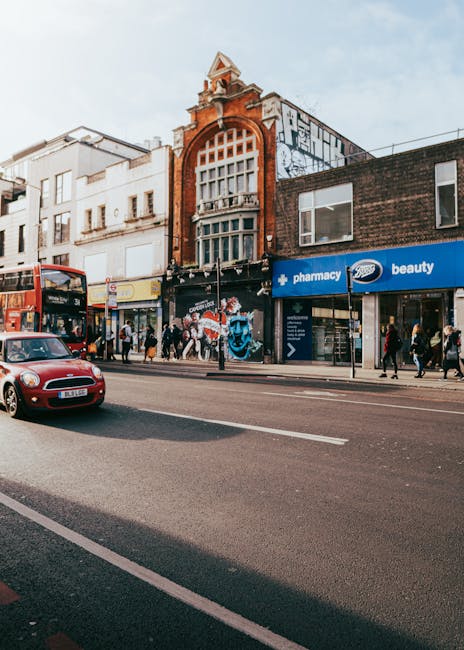
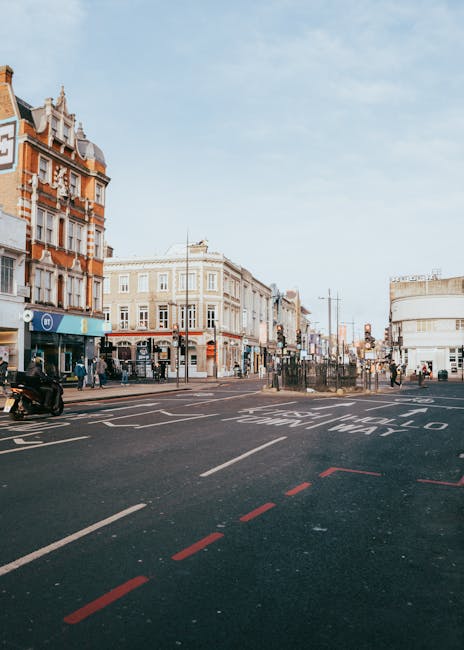
Camden is one of those London areas where the street layout can change the whole mood of moving day. One road may be broad enough for a clean loading stop, and the next may be a squeeze with parked cars, bikes, delivery vans, and pedestrians coming and going. If you underestimate that, the move can slow down fast. Not dramatically. Just enough to become stressful, expensive, and a bit chaotic.
The real issue is that removals need space. Space to stop, space to load, space for the crew to work safely, and space for the vehicle to sit without blocking traffic or risking a penalty. Narrow streets make all of that harder. Parking rules make it more structured. In Camden, you are usually balancing the practical side of the move with whatever local parking controls apply to the street, the bay, or the loading area.
That is why the best moves start before the van arrives. A careful plan helps avoid the common Camden headache: the furniture is ready, the keys are in hand, and everyone is waiting while someone drives around looking for a legal place to stop. If you have ever watched a moving trolley wobble over a kerb while a parking warden appears in the distance, you will know exactly why this matters. Truth be told, it is not the fun part of moving, but it is often the part that decides whether the day goes well.
For homes, especially smaller flats and converted buildings, this can be even more noticeable. A move from a top-floor apartment with a shared entrance and a tight street outside calls for a different approach from a suburban house move. That is where a local understanding of house removals, building access, and vehicle positioning becomes genuinely useful.
Expert summary: In Camden, a smooth move usually comes from three things working together: the right vehicle, the right parking plan, and the right timing. Miss one of them and everything else becomes harder than it needs to be.
How Camden removals, narrow streets parking permits London works
The process is simpler when you break it down. First, you assess the location. Second, you decide what vehicle and crew setup will fit. Third, you sort parking and any permit requirements well before moving day. The key is not to treat parking as a last-minute detail. In London, and especially in tightly packed parts of Camden, parking is part of the moving plan itself.
For most moves, the driver or organiser needs to understand whether there is a loading bay, a time-restricted bay, a shared access road, resident-only restrictions, or a temporary stop arrangement that can be used safely and legally. In some cases, a permit or dispensation may be needed so the vehicle can stop near the property without causing problems. The exact arrangements vary by street and by the type of move, so caution is better than assumption.
A good removal team will usually think through:
- how close the vehicle can get to the front door or building entrance
- whether the road width allows a van to wait safely without blocking traffic
- how many trips may be needed if the vehicle cannot park directly outside
- how the team will protect fragile items when carrying them over a longer distance
- what time of day is least disruptive and most practical
In real life, the moving van might need to park a little further away than ideal. That is not a disaster, but it changes the rhythm of the job. More steps, more carrying, more careful handling, more time. This is why choosing a service that understands local access issues can make such a difference. If the move is small and tight, a nimble removal van is often more practical than trying to force a larger vehicle into a street that simply was not designed for it.
If you are moving a business, the stakes can be higher. Office furniture, computers, files, and timed access windows do not forgive much confusion. For that reason, moving around Camden often aligns well with structured office removals or broader commercial moves where access and parking are mapped out in advance.
Key benefits and practical advantages
Doing Camden removals properly is not just about avoiding penalties. It also creates a calmer move overall. Once the access plan is in place, the rest of the day tends to run with fewer surprises. And let's face it, moving day already has enough surprises without adding parking drama.
Here are the main benefits of planning carefully around narrow streets and parking:
- Less delay: the crew spends more time moving items and less time circling for a legal stop.
- Lower risk of damage: shorter carries and better vehicle positioning reduce the chance of knocks, drops, and rushed handling.
- Safer working conditions: fewer awkward lifts across traffic or between parked vehicles.
- Cleaner handover: if you are leaving a flat, a tidy, efficient load-out feels much less disruptive to neighbours and building managers.
- Better cost control: time lost to parking issues can lead to a longer job than planned.
There is also a quiet confidence that comes from being organised. You are not scrambling at the last minute. The lift arrives, the van is ready, the route is clear, and the boxes start moving. It sounds basic, but it changes everything.
For anyone trying to keep the move simple, especially in a smaller property, home moves and man and van options can be a good fit when access is tight and the load is manageable. If the job is larger, a more comprehensive plan may work better.
Who this is for and when it makes sense
This topic matters to a fairly wide group of people, but it is especially relevant if your move involves one or more of the following:
- a Camden street with limited turning space
- a terrace, mews, or converted building with awkward access
- a flat on an upper floor
- a move during busy daytime traffic
- furniture that needs careful loading near the property entrance
- parking restrictions or loading controls close to the address
Students moving into or out of shared housing often face this exact problem. Student streets can be busy, the furniture is usually a mix of awkward and lightweight, and the timing tends to be tighter than people expect. A small van can be perfect, but only if parking is handled properly. That is why student removals often benefit from a simple, well-timed plan rather than a big complicated setup.
It also makes sense for:
- people moving from a one-bedroom or studio flat
- families who are downsizing within Camden
- landlords and tenants doing end-of-tenancy moves
- small businesses relocating between local offices
- anyone who wants help with loading, transport, and access planning
If you have furniture that needs to be shifted, collected, or cleared out during the move, it can help to combine services rather than trying to solve each task separately. A well-planned move can include furniture removals or furniture pick up where that makes sense. Fewer moving parts. Less faff.
Step-by-step guidance for a Camden move
Here is the practical version, the one that saves time and keeps everyone sane.
- Assess the property access. Look at the street width, parking signs, pavement space, and distance from the vehicle to the entrance. Even a few extra metres matter when you are carrying sofas or boxes up and down stairs.
- List the items being moved. A small studio move and a three-bedroom family move are not remotely the same thing. The vehicle, crew size, and timing should match the load.
- Check parking restrictions early. Look for loading rules, resident bays, pay-and-display bays, yellow lines, and any time-based limits. If you are unsure, do not guess. Guessing is how moving day becomes a comedy of errors.
- Choose the right vehicle. A smaller, more manoeuvrable van often works better in Camden than a larger truck, especially in narrow residential streets.
- Allow extra time. The move may take longer if parking is a short walk away or if items have to be carried through a busy entrance.
- Prepare the items before arrival. Dismantle what needs dismantling, label boxes, and keep essentials separate. If you need help, packing and boxes support can make the load-out smoother.
- Protect the route. Make sure hallways, stairs, and front paths are clear. A tidy route saves a surprising amount of time.
- Confirm timing with everyone involved. If keys, building access, or lift bookings are involved, align them before the van arrives.
One small but useful habit: stand outside your property at the time you expect the van to arrive. Sounds obvious, but it helps you notice the actual space available rather than the space you thought was there in your head. Big difference.
If the move is urgent, a service that can respond quickly may help, especially where parking windows are short. That is where same day removals can be useful in the right circumstances, though only if access and parking are still workable. Urgency does not override street reality, unfortunately.
Expert tips for better results
A few practical habits make a real difference in Camden. They are not flashy, but they save time and hassle.
- Book the earliest sensible slot. Streets are often calmer in the morning, before deliveries, school runs, and general London bustle build up.
- Keep key items near the exit. Boxes, lamp shades, bedding, and essentials should not be buried behind large furniture.
- Use colour-coded labels. It is simple, but in a tight move it helps everyone know what goes where.
- Measure large furniture. Don't wait until the last minute to discover the wardrobe is wider than the stair landing.
- Keep neighbours in mind. A little courtesy goes a long way in shared streets and blocks.
- Choose the right scope of help. If the job is heavy, awkward, or time-sensitive, a broader removals service may be more sensible than a bare-bones transport-only arrangement.
If you are dealing with a bigger home, it is worth asking whether the crew also needs to account for dismantling, carrying, and reassembly. That kind of detail often gets missed in the first conversation. Then, on the day, everyone wishes it had not been missed.
For heavier or more delicate items, especially if access is tight, a specialist service can save both time and stress. For example, a piano removals move in Camden needs careful handling, and not just because pianos are awkward; they are heavy, sensitive, and rarely cooperate with narrow hallways. Not ever.
Common mistakes to avoid
Most moving problems in Camden are avoidable. That is the frustrating part, really. The common mistakes are usually simple ones, but they snowball quickly.
- Leaving parking until the day before. By then, you may have limited options.
- Booking a vehicle that is too large. A bigger van is not automatically better in a narrow street.
- Underestimating carrying distance. A legal stop around the corner can still add a lot of work.
- Ignoring building rules. Some blocks have access windows, lift bookings, or loading requirements.
- Not preparing the items. Loose drawers, unfitted shelves, and unlabelled boxes slow everything down.
- Forgetting the return journey. If you need a second trip, you need a plan for that too.
Another easy mistake is assuming the street will "probably be fine" because it looks okay at 8 a.m. or on a Sunday. Maybe. But maybe not. London streets can change character very quickly once traffic builds. A road that feels manageable at one moment can become awkward an hour later.
Where possible, build a small buffer into both time and budget. A bit of breathing room helps. It really does.
Tools, resources and recommendations
You do not need fancy equipment to organise a good move, but a few basic tools help a lot. Nothing dramatic. Just the sensible bits.
- Boxes and labels: make loading and unloading faster.
- Furniture blankets and straps: help protect items during transport and while carrying them through tight spaces.
- Tape, marker pens and a checklist: the unglamorous essentials that stop things going missing.
- Phone photos of parking signs: useful when checking whether a space is usable later in the day.
- Spare keys and contact numbers: always worth keeping close.
If you need help getting organised before the van arrives, packing and unpacking services can take a lot of pressure off the day itself. And if you are clearing a property or removing bulky items you no longer need, furniture pick up is often a sensible way to keep the move tidy rather than dragging old bits from one place to another for no good reason.
For readers who want to understand the company behind the service before booking, it can also help to look at the about us page and the insurance and safety information. In a crowded London street, trust and preparation matter as much as muscle.
Law, compliance, standards and best practice
Parking and loading in London is a regulated matter, and you should treat it carefully. Camden streets may have different controls depending on the location, time of day, and type of bay. Removals teams should not assume they can stop anywhere just because the job is short or the van is only there for a few minutes.
Best practice is to check the street restrictions in advance, understand whether loading is allowed, and plan the vehicle position accordingly. If a permit, dispensation, or special parking arrangement is needed, sort it before moving day rather than during it. That is especially important where enforcement is active and streets are busy.
From a safety perspective, the removal crew should also be able to work without blocking walkways, forcing unsafe lifts, or creating unnecessary hazards for pedestrians and residents. In practical terms, that means keeping access clear, lifting properly, and making sure the vehicle is parked in a way that supports safe loading rather than rushing the job.
If you are comparing providers, look for clear policies and a straightforward approach to risk and handling. Pages like health and safety policy, terms and conditions, and payment and security can give useful reassurance about how a business operates. That kind of transparency matters, especially when a move involves tight access and a live street environment.
Options and comparison table
Different Camden moves call for different approaches. Here is a simple comparison to help you judge what fits best.
| Option | Best for | Strengths | Limitations |
|---|---|---|---|
| Small removal van | Compact flats, short local moves, narrow streets | Easy to manoeuvre, practical for tight access | Less capacity for larger homes |
| Man and van | Flexible, lighter moves and smaller loads | Simple, adaptable, often efficient for local jobs | May need more trips for bigger moves |
| Full removals service | Larger homes, busy schedules, heavier items | More support, better for complex loads | Can be more than you need for a small move |
| Same-day removals | Urgent or time-sensitive moves | Fast response when timing is tight | Less room for planning mistakes |
To be fair, the "best" option is usually the one that matches the street rather than the fantasy version of the street. In Camden, that means considering width, parking, access, and how much lifting the day is likely to involve.
If your move is straightforward but compact, a man with van arrangement may be enough. If it is more involved, a more complete removal companies style service can make the day far easier to manage.
Case study or real-world example
Picture a typical Camden flat move on a weekday morning. The building is in a narrow residential street with cars parked on both sides. The property is on the second floor. There is no generous driveway and no easy turning space. The move itself is not huge, but the access makes it feel bigger than it is.
In a case like that, the smartest approach is usually to keep the vehicle compact, aim for the earliest practical arrival time, and allow enough time for a careful load-out. Boxes are labelled, furniture is dismantled in advance where possible, and the route from front door to van is kept clear. If the parking stop is a short walk away rather than directly outside, the crew knows that from the start and plans the carry accordingly.
The difference is noticeable. Instead of a rushed, stop-start scramble, the move becomes a controlled sequence. Carry, load, return, repeat. Not glamorous, but effective. And on a busy London street, effective is what you want.
In a slightly bigger example, a local business moving equipment from one Camden office to another might need timed access, a loading plan, and a vehicle that can manage office furniture without blocking the street for too long. That is where office relocation services become more than a convenience; they become the practical way to keep the business day moving.
Practical checklist
Use this before moving day. It keeps the process grounded and stops those last-minute "oh no" moments.
- Confirm the exact moving address and access details
- Check whether the street is narrow or one-way
- Review parking signs and loading restrictions
- Decide whether a permit or parking arrangement is needed
- Choose the right vehicle size for the street and load
- Measure large furniture and awkward items
- Pack and label boxes clearly
- Protect fragile items and separate essentials
- Arrange lift bookings or building access if needed
- Keep contact details ready for the move day
- Build in extra time for loading and walking distance
- Have a backup plan if parking near the property is not possible
A move feels easier when every part has been thought through once. Not obsessively. Just properly.
For anyone still pulling the plan together, checking pricing and quotes early can also help you compare what level of support makes sense. If you are still deciding, that step alone can bring some calm to the process.
Get a free quote today and see how much you can save.
Conclusion
Camden removals are rarely difficult because of the boxes themselves. They are difficult when narrow streets, limited stopping space, and parking controls are left out of the plan. Once you treat access and parking as part of the move rather than a side issue, everything becomes more manageable.
The best approach is usually simple: choose the right vehicle, sort the parking details early, pack well, and keep the route clear. If your move is small, a nimble service may be all you need. If it is larger or more complex, broader removal support can save time and stress. Either way, a well-planned Camden move is absolutely doable.
And honestly, when the van pulls away and the last box lands in the right room, the relief is real. Nice and quiet, like a street after the traffic has passed.
Frequently Asked Questions
Do I need a parking permit for removals in Camden?
It depends on the street, the bay restrictions, and the time of day. Some locations allow loading, while others need a specific arrangement. Always check in advance rather than assuming the van can stop outside.
Why are narrow streets such a problem for removals in London?
Narrow streets limit where a van can safely stop, reverse, or turn. They also make loading slower because items may need to be carried further. That extra distance can affect time, safety, and cost.
What is the best vehicle for a Camden flat move?
Often a smaller van is better than a larger truck, especially if the street is tight or access is awkward. The right choice depends on the load, the building, and whether parking is limited.
How far in advance should I plan parking for moving day?
As early as possible. Parking is one of the parts people leave too late, and then the whole day gets harder. Early planning gives you more options and less stress.
Can a man and van service handle Camden removals?
Yes, especially for smaller or medium-sized moves where flexibility matters. A man and van setup can work very well in tight London streets if the parking and access plan is sensible.
What should I do if the van cannot stop directly outside my property?
Allow extra time, plan the carrying route, and make sure the crew knows the access distance before they arrive. It is not ideal, but it is manageable if everyone expects it.
Are same-day removals possible in Camden?
Sometimes, yes. But same-day work only works well if the vehicle, timing, and parking situation are realistic. Urgent moves still need basic access planning.
How can I make a Camden move faster?
Pack early, label boxes, dismantle large furniture if needed, and keep the route clear. The fewer obstacles between the property and the van, the better.
What kind of moves benefit most from professional help?
Flat moves, office moves, student moves, and any job with narrow streets or tricky parking tend to benefit most. In short: the more access problems you have, the more useful experienced help becomes.
Do I need to worry about safety when loading on a busy Camden street?
Yes. Safe loading matters just as much as parking. The crew should avoid blocking walkways, rushing lifts, or creating hazards for pedestrians and residents.
Is storage useful if my Camden move is split over more than one day?
It can be. If you are moving in stages or waiting for keys, storage can reduce pressure and keep the main move from turning into a pile of unsorted boxes in the wrong place.
How do I compare removal services for a London flat move?
Look at access experience, vehicle suitability, packing help, insurance, and how clearly the company explains the process. If they understand tight streets and parking restrictions, that is usually a good sign.